
Black Mold and my Home
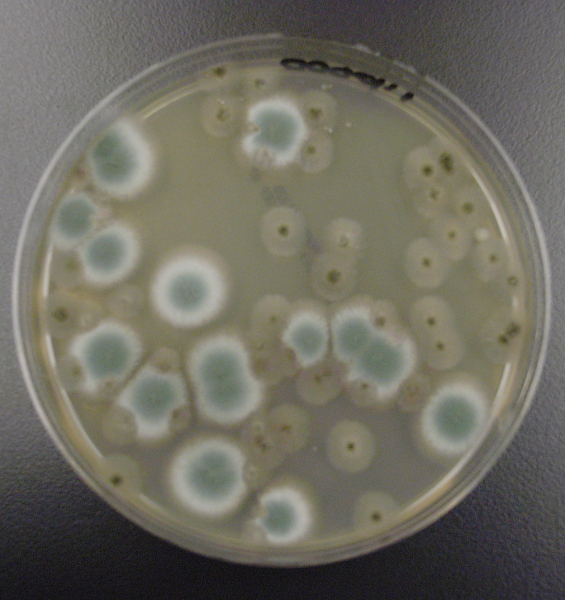
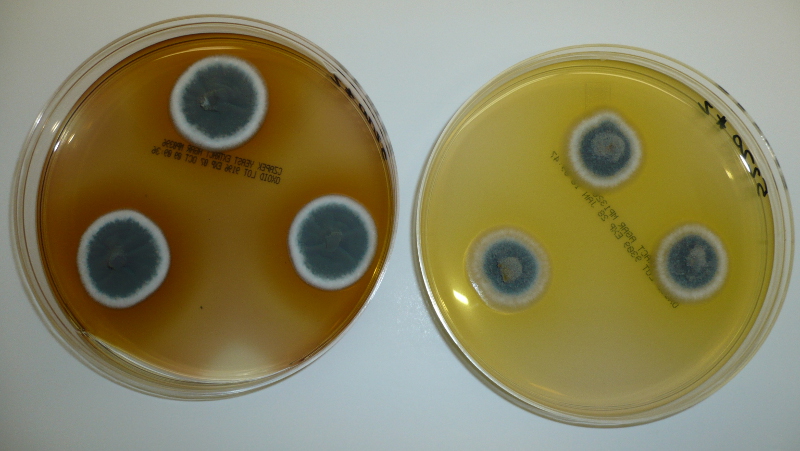
It can be nerve-wracking if you either suspect or know that black mold is growing in your home. Media sensationalism has caused a great deal of fear about black mold. But not all black molds produce toxins, and not all toxin producing molds are black.
What is Black Mold?
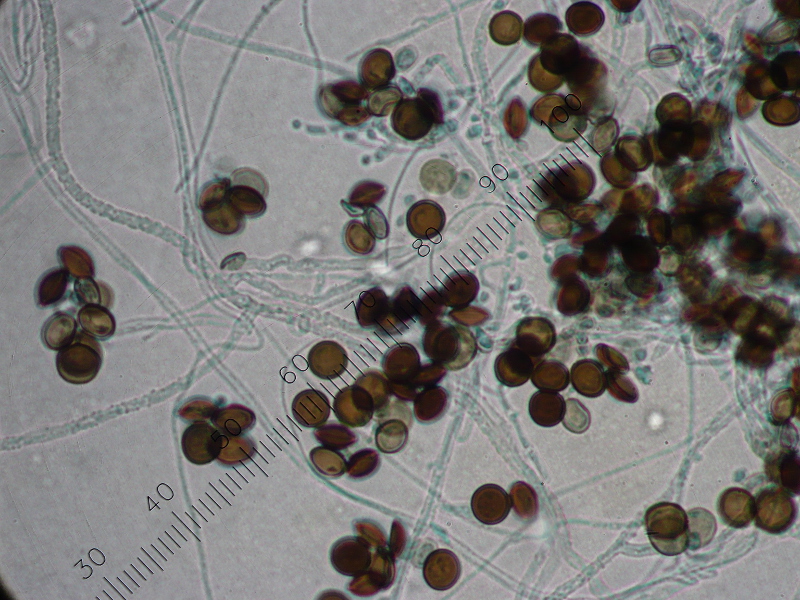
The term black mold does not refer to a specific type of mold. However, the term is used erroneously to refer to Stachybotrys chartarum. Stachybotrys chartarum is the infamous black mold associated with lung bleeding and the deaths of infants in Cleveland, Ohio in the 1990’s. When wet, Stachybotrys may appear greenish black and slimy, but can also look sooty and black. It’s been associated with a number of health problems some of which are highly controversial. These include inflammation of the skin, cough, running nose, nose bleeds, a burning sensation in the mouth and nasal passage, cold and flu symptoms, headache, general fatigue, and fever.
Black Mold On Windowsills
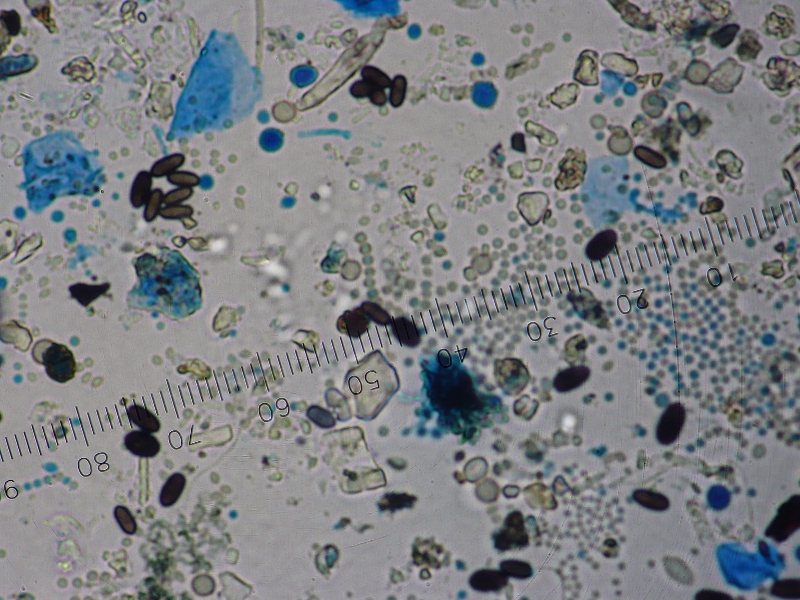
Cladosporium may appear black and is very common on windowsills. Many home occupants panic when they see this black mold growing on the windows. It is good to know that Cladosporium is not toxigenic. However, it is allergenic meaning that some people may express allergic reactions if they inhale airborne spores of Cladosporium. Another mold that may appear black is Ulocladium. This may be found growing on damp walls. Ulocaldium is also not known to be toxigenic.
How to Control Black Mold
Black mold forms very easily in damp and wet conditions, especially in locations affected by excessive humidity, condensation, water leaks, water damage, or flooding. Black mold is commonly seen on drywall, fiberboard, ceiling tiles, gypsum board, and wallpaper although it can also grow on paper, dust, lint, and any other substance with a high cellulose content and low nitrogen content. In the home, bathrooms, laundry rooms, and basements often provide conditions for accelerated mold growth.
Usually, moisture seepage is the main cause of mold growth. So, any plumbing problems, leaks, condensation, and humidity must be kept in check from time to time in order to control mold growth.
Next time we will discuss How To Get Rid of Black Mold Safely
Leave a Reply
You must be logged in to post a comment.