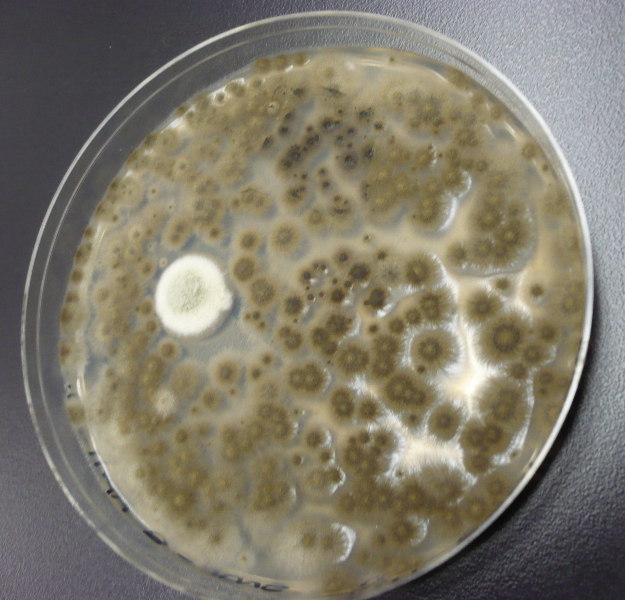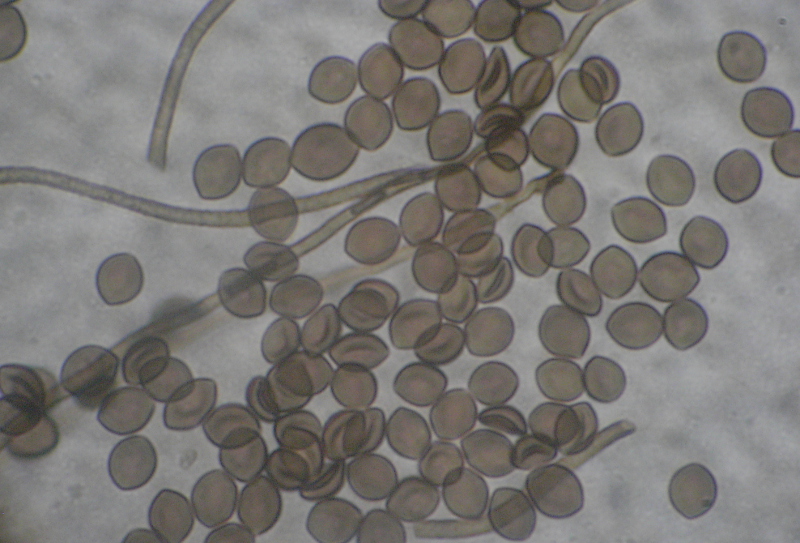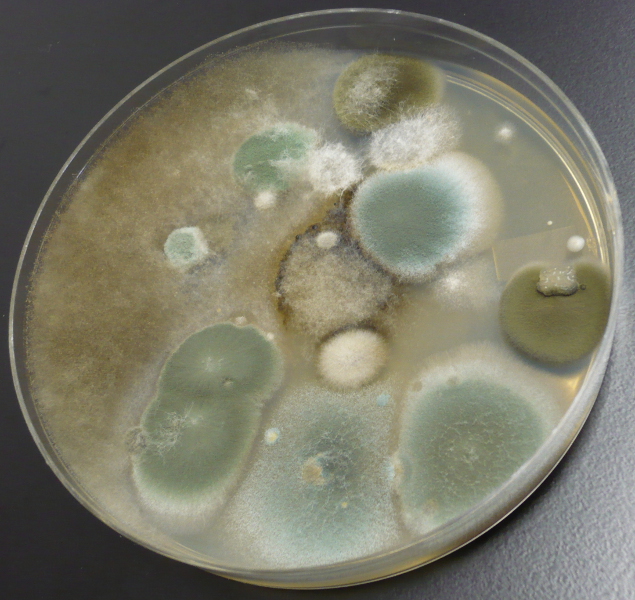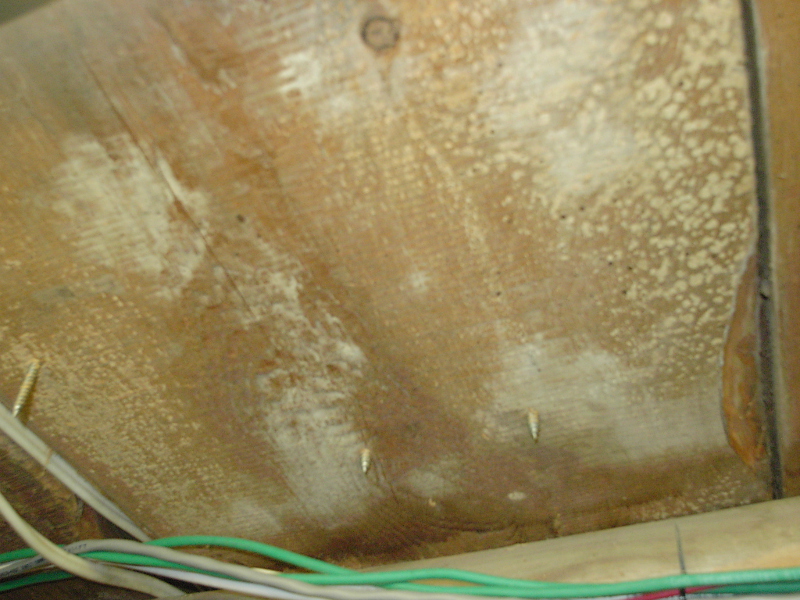
An allergy can trigger symptoms similar to a generic respiratory allergic reaction. It is an overreaction of the immune system to a substance that’s harmless to most people, such as mold or pollen. Mold allergies can cause serious illness to about 12% of human population that is sensitive to mold. Mold allergies are caused by mold spores and fine fragments when inhaled by susceptible individuals. Mold allergies can also be triggered by eating food that contains mold. Mold allergies are common, and mold-infested “sick” buildings pose concerns for inhabitants. Mold allergies and allergic response is the most common reaction to mold exposure. This type of response and its symptoms is familiar to most people (stuffy or runny nose, itchy eyes, sneezing, etc.).
Symptoms associated with mold allergies
Allergic responses are caused by your body trying to attack the mold particles in the same way it would try to fight off any sickness. Mold allergies or sensitivity can develop in anyone exposed to mold over time. Mold allergies may include symptoms such as itchy or runny nose, watery eyes, congestion, sneezing, wheezing and rashes.
Mold allergies are very common. In fact, they’re more common than pollen allergies. Common household molds commonly associated with allergy symptoms include Alternaria, Cladosporium, Penicillium, Stachybotrys and Ulocladium.
Mold allergies may include hay fever-like symptoms that are similar to any airborne allergy:
- cough, sneezing, congestion or runny nose
- eye irritation resulting to red eyes
- skin irritation
- respiratory irritation
- joint aches
- headaches
- fatigue
Mold allergies are typically most severe during warm, wet weather and from mid to late summer. Mold allergies can be controlled to a certain extent by removing the molds at home. If you’d like to know whether the mold in your house could be a type that’s associated with mold allergy symptoms, you can find out for sure by Sending A Sample For Testing.


Latest posts by Jackson Kung'u (see all)
- Symptoms of mold exposure - September 4, 2015
- Mildew and Moisture in Homes - September 3, 2015
- Mould Removal - September 2, 2015