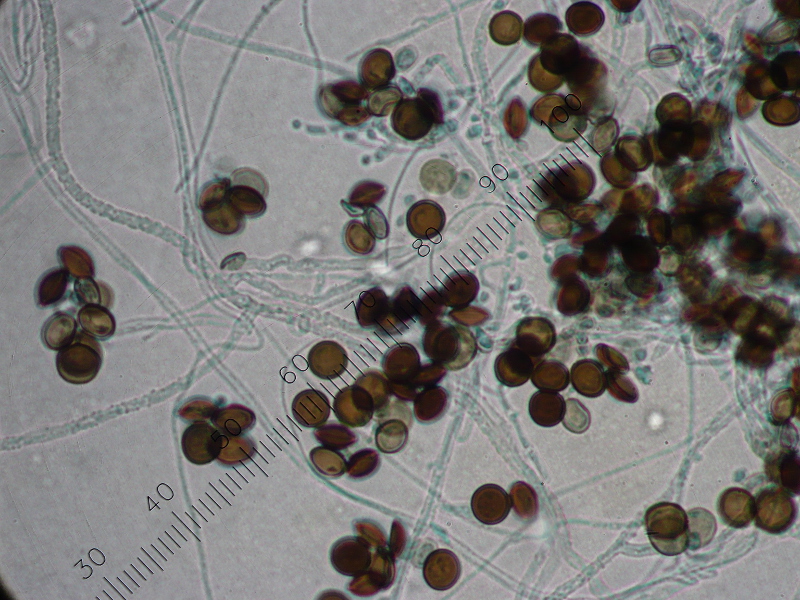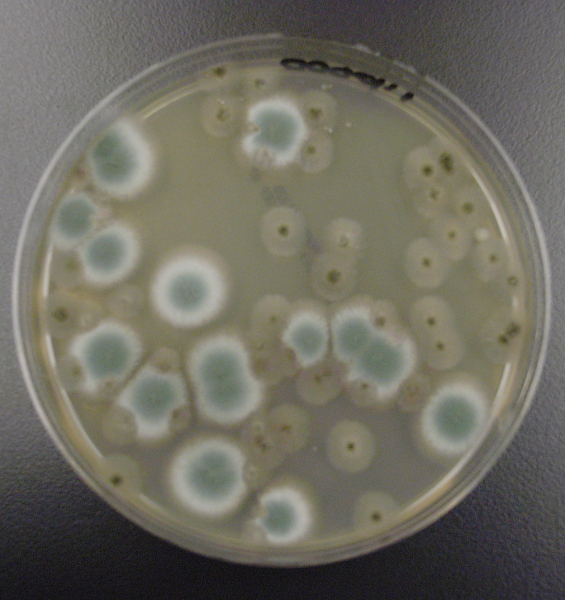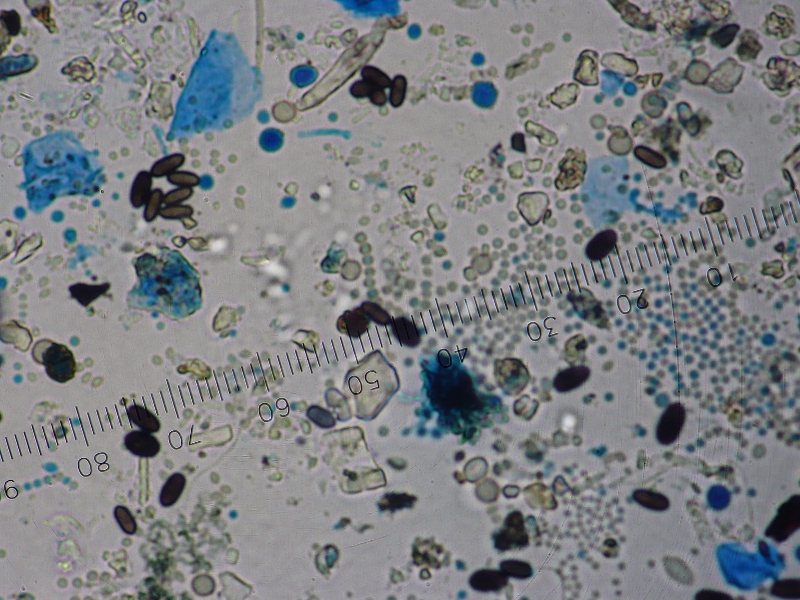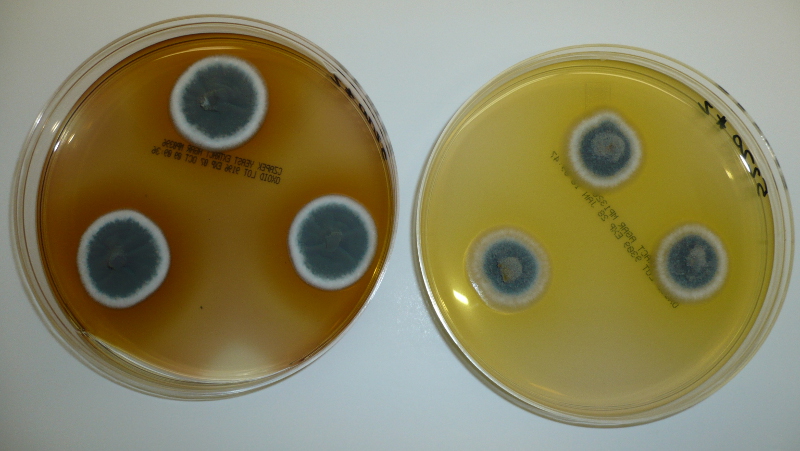
If you detect mold in your home don’t panic. The fact that you have seen visible mold growth doesn’t necessarily mean your health or that of your family has been compromised. The health effects associated with common molds generally depend on the amount and type of mold present and sensitivity of the occupants. It is difficult to tell the type of mold by the colour. Some molds may appear black while others may appear white, blue, green or a shade of various colours. Black mold could be any mold. Be aware of the current misinformation regarding mold. One of such misinformation regards a mold called Stachybotrys or Stacky in short. Stachybotrys is commonly referred (though incorrectly) as the black mold. Although some species of Stachybotrys are highly toxigenic and may cause severe health effects from exposure, presence of black mold doesn’t necessarily mean the health of the occupants has been affected. However, regardless of whether a mold is toxigenic or not, it should not be allowed to grow in occupied environments.
So What Do You Do If You Detect Mold In Your Home?
1. Send samples to a reputable laboratory for testing so that you know for sure what type of mold you are dealing with. The laboratory report includes a listing of the types of mold present in the samples and also information (where available) on whether the mold is known to be of health concern.
2. If the mold in your home is not toxigenic and it covers less than 10 square feet, you may be able to clean it yourself. If the mold is toxigenic or it covers more than 10 square feet, consult a mold professional. A professional would a assess the extent of mold growth and recommend a suitable level of mold remediation.


Latest posts by Jackson Kung'u (see all)
- Symptoms of mold exposure - September 4, 2015
- Mildew and Moisture in Homes - September 3, 2015
- Mould Removal - September 2, 2015