
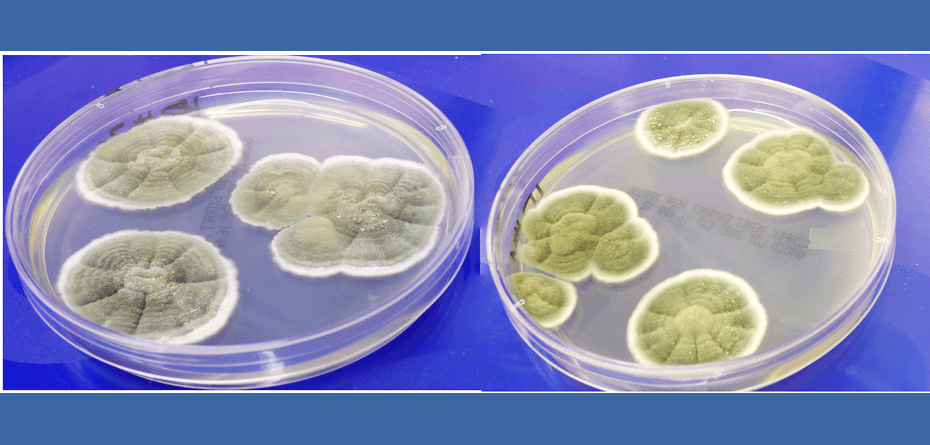
There are several mould facts and myths that everyone should know. A lot of half-truths and outright lies floating around regarding mould, held as truths by most people. It’s hard to know what’s what, especially when the phrase “black mould” starts getting thrown around. This is a collection of those mould facts and myths, together with the actual information, in the hopes of putting some of these to rest.
Mould facts and myths about black mould and other moulds
Black Mould Myths
Mould Myth #1: There is only one type of black mould, and it’s very bad.
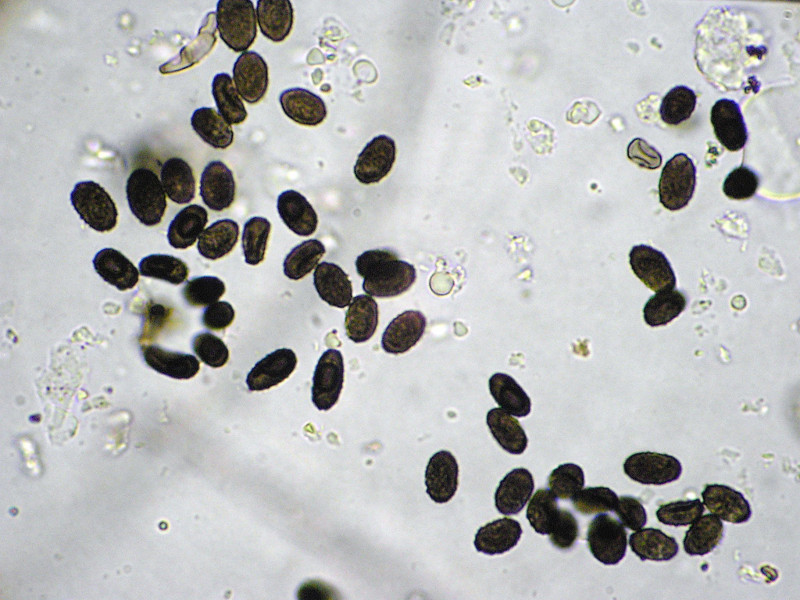
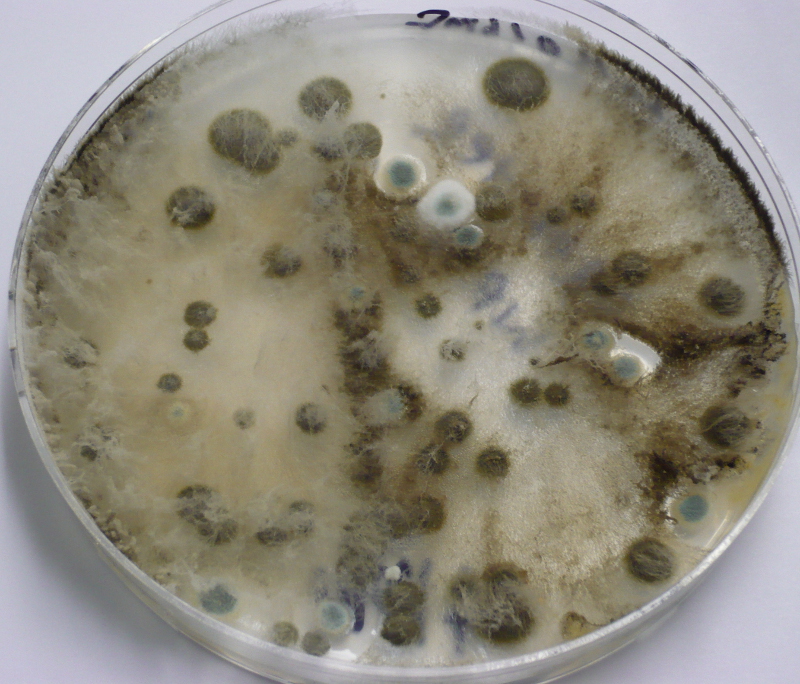
Fact: In actuality, there are a lot of moulds that look black. The type of black mould that made the news years ago, associated with a lot of ill health effects, was called Stachybotrys (pronounced ‘stack-ee-bot-riss’). However, there are a ton of other moulds that look black, and are fairly common and generally not of concern. The take-home message here is that not all black moulds are ‘bad’.
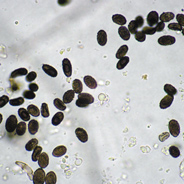
Mould Myth #2: Only black moulds are bad. Other types shouldn’t be worried about.
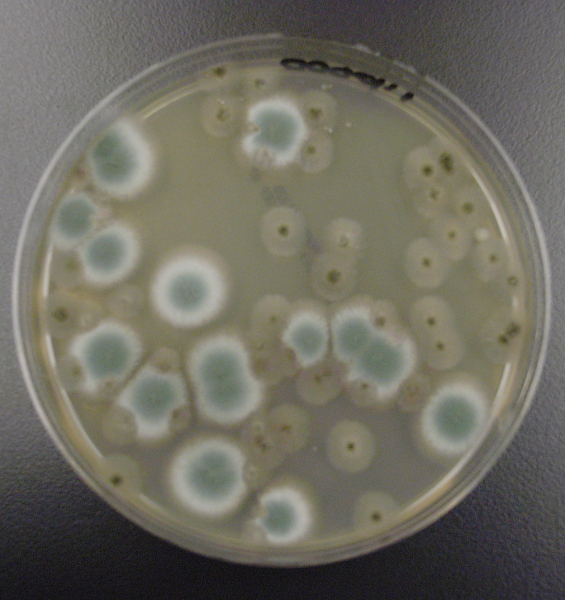
Fact: A lot of people aren’t even aware that mold can be white, or orange, or blue, for instance. The colour of a mold generally has to do with the spores it produces, and has no bearing on whether it is dangerous or not. There are some white moulds that grow on walls and other surfaces that can be just as bad as some harmful black moulds.
Mould Myth #3: If I see mold, I should just scrub it with bleach to get rid of it.
This is a complicated myth. There are a couple of different parts to it.
Bleach: Bleach is generally not recommended as a fungicide (mold killer). It works by dousing the mould in toxic levels of a chemical. The problem is twofold: not only are humans just as susceptible to bleach’s damaging properties, but the bleach is generally a water-based solution. In the long run, this often means that water penetrates the surface, giving moisture to the roots of the mold, which happily begins to grow again. In the case of small patches of mould, ordinary household detergent will suffice. It is important to make sure that the area dries quickly (ideally within 24-48 hours) so that any small bits (too small to see with the naked eye) of mould left over don’t get the chance to start growing again.
Is it really gone? Mould is able to grow because it has a moisture source. Often this means that there is or was a leak or something similar involved in the first place. Just removing the mould without fixing the water problem will usually result in the mould coming back. Also, mould can grow behind walls in addition to just on them, so it is important to determine whether you’ve only dealt with a portion of the mold, or the whole thing.
Mould Myth #4: I can just paint over the mould to seal it up.
Fact: Actually, mould can eat the paint. Many people attempt to paint over mould only to discover that in a few months the mould has either poked its way through the paint, or the paint has started peeling off. The mold really has to be removed before painting can be done, even if you’re using “mold-resistant” paint.
Mould Myth #5: Mould and mildew are totally different things.
Fact: Mildew is mould. It’s a word that is used generally to refer to a few specific types of moulds, but it’s still all mould.

Mould Facts

And now, a few facts to round out the discussion:
Mould Fact #1: Mould is everywhere, no matter what you do.
Bits of mould are part of the air you breathe everywhere you go. Molds grow on plants and in soil, float off into the air, and float in through your doors and windows. You’ve been dealing with it all your life and there is usually no way (except in very special circumstances) to create a space with no mould in the air.
Mould Fact #2: Large areas of mould should really be dealt with by a professional.
When mould areas get larger than about 10 square feet (about a square meter) or you don’t know the extent of the problem (for instance: mould can grow behind the walls) it is important to bring in a professional who is familiar with how to deal with mold properly. This sized area usually requires extra precautions when removing mold. Much larger areas of mould can require very complicated procedures and precautions. Even a common, usually harmless mould can be a health issue when there is a lot of it. (For those interested in knowing the specifics, here is some documentation on the Canadian and American mould removal guidelines.)
Mould Fact #3: Stains and mysterious spots are not always mould.
Sometimes a black, brown, grey, or white spot isn’t actually mould. Efflourescence, for instance, is a whitish deposit, especially on concrete, that happens when water permeates the material and leaves behind a deposit of salts. Note, however, that in this case there is water permeation, which may mean there is mould growing where you don’t see it. Other spots can be caused by soot or soil deposits, giving a darker colour. If you want to know what you’re looking at, you can collect samples yourselves and send them to mold laboratories that can test air samples or pieces of material and tell you whether you have mould or not.
Leave a Reply
You must be logged in to post a comment.