Unmasking the Hidden Dangers: Indoor Mould Facts
Welcome to Our Knowledge Hub on Indoor Mould
Empowering You with Crucial Information for a Healthier Home Environment
Understanding Indoor Mould
Indoor mould is a common problem that can lead to health issues. According to Health Authorities, mould growth indoors can cause eye, nose, and throat irritation, coughing, phlegm build-up, wheezing, shortness of breath, and worsening of asthma symptoms. The presence of mould can also contribute to the development of asthma, bronchitis, and other respiratory infections. To identify mould growth, it is important to look for visible signs of mould and musty odours. Cleaning up small and medium areas of mould growth can be done by following practical recommendations provided by Health Canada. It is also important to prevent moisture and mould issues indoors by addressing the root cause of the problem. If you suspect that you have a mould problem in your home or office, it is best to consult a professional for remediation.
Why Should You Care?
The Real Risks of Indoor Mould
The Health Hazards
Discover the surprising health implications of indoor mould exposure. From respiratory issues to allergies, learn how mould can affect you and your family’s well-being. According to the US Centers for Disease Control and Prevention (CDC), mould can cause a stuffy nose, sore throat, coughing or wheezing, burning eyes, or skin rash. People with asthma or who are allergic to mould may have severe reactions. Immune-compromised people and people with chronic lung disease may get infections in their lungs from certain types of mould.
Property Damage
Uncontrolled mould growth isn’t just a health concern—it’s a threat to your home’s integrity. It can cause structural damage to buildings if left unchecked. According to the U.S. Environmental Protection Agency (EPA), mould gradually destroys the things it grows on, including building materials. Moisture and mould growth can also lead to rotting wood components of buildings, tiles, drywall, and carpets. Mould can also create sick building syndrome, an illness where occupants feel sick while inside, but the direct cause is not specified. Health Canada recommends that any small or medium areas of mould growth should be cleaned up immediately to prevent further damage.
Spotting the Signs: How to Identify Indoor Mould
Recognize, React, and Regain Control
Visible Clues
Learn to identify visible signs of mould growth, from discolored patches to peculiar odours. Arm yourself with the knowledge to catch mould before it becomes a serious problem.
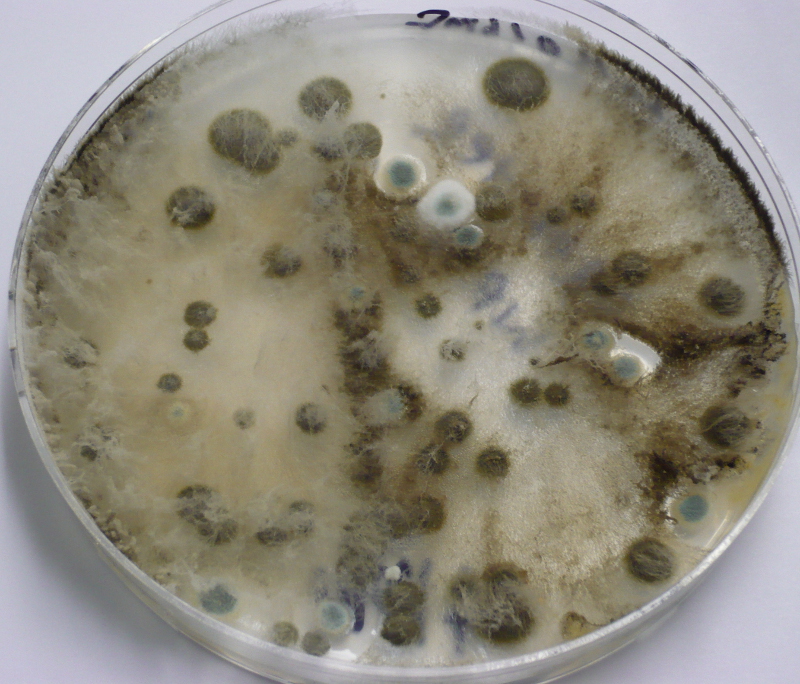
To identify indoor mould growth, it is important to look for visible signs of mould and musty odours. Mould can grow on surfaces such as walls, ceilings, floors, and carpets. It can appear as black, white, green or brown spots or stains. Mould can also have a fuzzy or slimy texture. If you suspect that you have a mould problem in your home or office, it is best to consult a professional for remediation. Health Canada provides a comprehensive guide to addressing moisture and mould issues indoors that includes practical recommendations for identifying the presence of mould and preparing for mould cleanup.
Hidden Dangers
Mold often lurks in unseen places. Discover the common hiding spots and how to uncover them, ensuring a thorough inspection.
Prevention: Keeping Mold at Bay
Proactive Measures for a Mould-Free Environment
Humidity Control
Master the art of humidity management—a key defense against mould. Learn how to maintain optimal levels and protect your home.
Ventilation Strategies
Explore effective ventilation techniques that promote airflow and deter mould growth. Elevate your home’s air quality with simple yet powerful strategies.
Sealing and Insulation
Seal the deal against mould by fortifying your home’s defenses. Discover how proper sealing and insulation can be game-changers in mould prevention.
Safe Removal: Tackling Mould Head-On
Guidelines for Effective Mould Remediation
DIY vs. Professional
Decide whether to tackle mould removal as a DIY project or enlist the expertise of professionals. Weigh the pros and cons to make an informed choice.
Safety Measures
Ensure your safety during the mould removal process. From protective gear to containment, learn the crucial steps to take before you begin.
Post-Removal Precautions
After successful removal, it’s important to implement measures that prevent a recurrence. Discover the steps to maintain a mold-free environment.
Staying Informed: Latest Insights and Resources
Continuous Learning for a Mould-Aware Lifestyle
Blog & Articles
Explore our regularly updated blog for the latest news, insights, and tips on indoor mold. Stay informed and equipped to protect your home.
FAQs
Got questions? Find answers to common queries about indoor mould, prevention, and removal in our FAQ section.
Connect with Us
Join Our Community and Stay Mould-Aware
Newsletter Signup
Stay updated with our newsletter for exclusive tips, news, and offers. Join our community of homeowners committed to a mould-free lifestyle.
Social Media
Follow us on Facebook, Twitter, and Instagram for daily doses of mould facts, expert advice, and community discussions.