
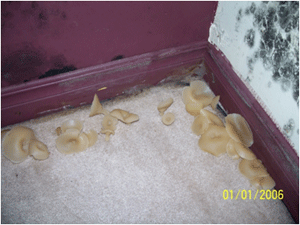
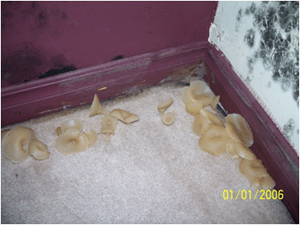
Mold removal is the process of removing visible mold growth from a building. Once mold grows in a building, mold removal is a must in order to maintain the health of the occupants and also to ensure protection of the things where these molds grow. Mold removal provides peace of mind to people that they are safe from allergies and illness caused by molds. Before mold removal the cause of the mold growth (i.e., moisture source) must be identified and corrected, otherwise mold growth would re-occur. Mold removal can be simple or complicated depending on where the mold has infested, level of contamination, and type of building. If you see that the affected area is 10 more square feet then it calls to seek for professional mold removal services. Whether you are performing basement mold removal, bathroom mold removal, attic mold removal or black mold removal the key is to ensure the mold is properly contained during removal so that it does not spread to non-contaminated areas of the building.
Depending on the level of contamination, mold removal can be expensive and requires trained technicians. Therefore, prevention of mold growth is best strategy. But if you’ve found a small amount of surface mold (less than 1 square meter or 3 square feet) growing in your home, you can clean it yourself safely and get rid of it for ever. Remember!. It’s the types of mold and the amounts that you inhale that matters. If there is no visible mold growth and you suspect you could be having a mold problem, consider testing air in your home. For instructions on how to test air click How To Sample Air For Total Fungal Spore Counts. Please consult a mold remediation specialist if the mold you find is larger than 1 square meter. And do not attempt to remove areas of mold that are greater than 10 square meters. Refer to the mold remediation guidelines for more information.
Steps to mold removal
Before you clean, you may want to find out whether the mold you’ve found is toxic or merely of cosmetic concern. Our visible mold test kit will let you know for sure. If it is toxic, you may want to call a mold removal specialist even if the area is small.
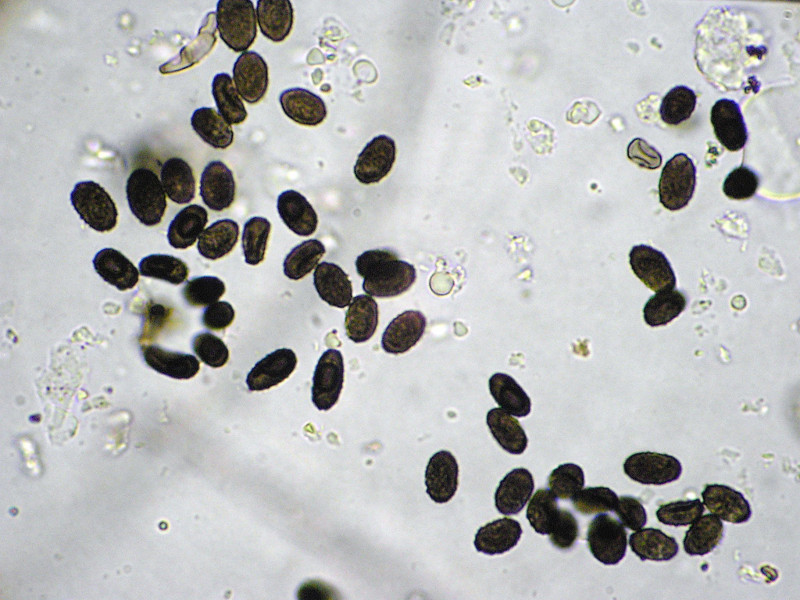
When you clean the mold in your home, please take precautions. Disturbing mold releases harmful mold spores into the air, which can worsen allergy and asthma symptoms or cause your family to feel ill if the mold is toxic. For complete instructions on how to remove mold safely in your house (remember extensive mold contamination requires removal by trained people), read the Mould Guidelines for the Canadian Construction Industry available at the website of the Canadian Construction Association.
Enclose the area with plastic to contain dust and spread of spores, wear gloves and a dust mask . Turn the furnace or air conditioner off before you start. Use a throwaway cloth, and enclose it, the plastic enclosure, your gloves and mask inside a plastic bag before you throw it away.
The best cleaner for small amounts of surface mold is ordinary household detergent. Simply wash, and dry the area thoroughly. It’s a good idea to check the area the next day because very fine particles can remain as mold dust, which is every bit as harmful as the original mold was.
If it’s clean, but still stained, you can paint over it with a good latex paint.
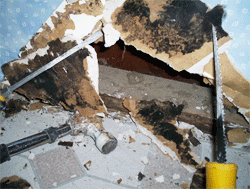
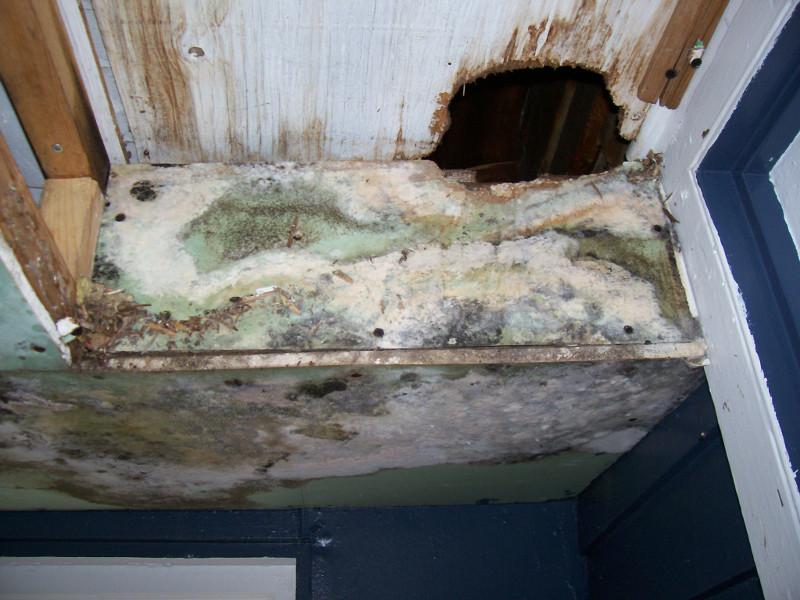
If the mold has grown unchecked for awhile, it may have caused more extensive damage to your home than surface mold can cause. Cellulose is one of mold’s favorite foods, and that means it likes drywall. Mold that’s underneath the drywall’s surface may have to be replaced.
Mold also likes wood and insulation. If mold is growing inside the wall cavity (see Hidden Mold), you may have to replace some wall studs, ceiling or floor joists and the attic insulation. Or you may have found mold that won’t wash off your hardwood floor (Don’t sand wood with mold growth. If it can’t be washed off, it should be cut out). If you’re not confident with home repair, you may need to hire someone in construction to fix this more serious damage.
When mold has caused structural damage, it’s always a good idea to consult a professional.
There’s always a reason why that mold grew where it did in the first place. So, cleaning alone may not get rid of your mold problem for good. Remember that mold needs three elements to survive: oxygen, a food source and water.
And that means that if you have or had mold in your home, most likely there is or has been a water leak nearby. A pipe may be leaking. Your roof or window sills may be letting some moisture in.
Mold removal on non-porous, hard surfaces can usually be done by thoroughly cleaning and sanitizing the surface and then quickly drying it. If you notice mold growth on hard, non-porous surfaces within your home, you can remove it by using a bleach solution. However, if you aren’t sure of the cause or source of moisture, it would be wise to consult a professional for inspection and repair. If any part of your home suffers from extensive water damage, you should call a restoration company within the first 24 to 48 hours to avoid extensive molding. Mold grows quickly and will begin to grow in fabrics and porous surfaces within 24 hours.
The time it takes for the completion of mold removal process depends on factors such as how much mold is present, the size of the building, where the mold is growing (behind walls, etc.), and the materials it is growing on. Most mold removal (remediation) takes anywhere from 1 day to 5 days or more if it’s a large building.
Your house mold’s moisture source must be fixed first. Otherwise the mold will simply grow back.
Mold removal from furniture and clothing
Mold removal from furniture
Another concern is the furniture in the room. If you have mold growing on the walls, you don’t necessarily have any on your furniture. If you want to be sure or if the furniture has been up against the contaminated wall or area, it may be best to check for signs of mold growth.
If you find mold, many types of furniture can be cleaned with detergent and water, then dried. Soft furnishings that can be thrown in the washing machine should be treated that way.
Household items such as mattresses which cannot be put in the washing machine should probably be replaced if they become contaminated.
Mold removal from clothing
Clothing is very easy to deal with. It can be washed in the washing machine, which will remove any mold or spores. If there was staining due to mold growth, this may or may not come out in the wash, but it’s just a stain. Mold is no longer on clothing after being washed and dried. Many times people are overly concerned that the mold spores or mold toxins would remain permanently on their clothes and continue affecting their health.
In all cases, when handling items or areas that are contaminated by mold, it is best to protect yourself. Wear gloves and a mask during mold removal.
Leave a Reply
You must be logged in to post a comment.