
3-Minute Video: Click To Watch!

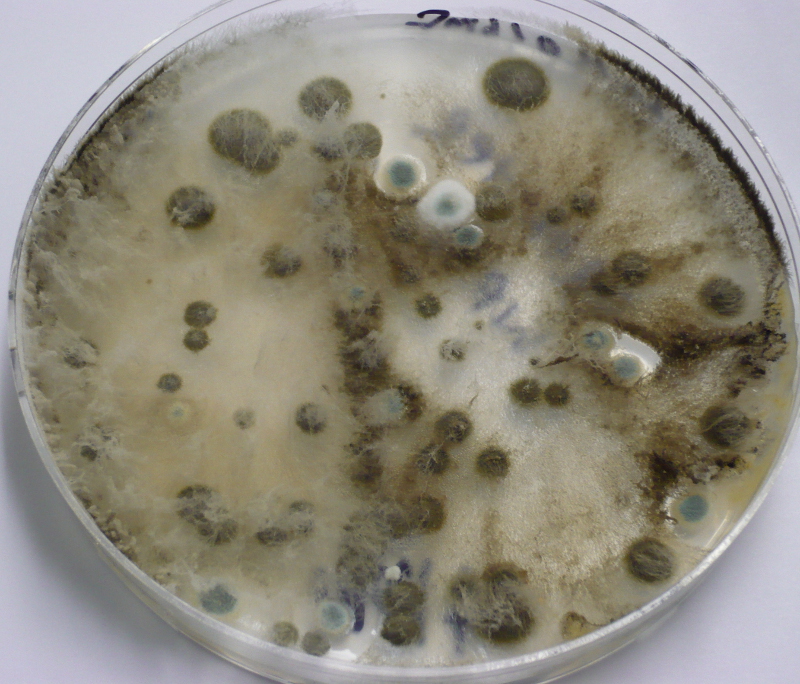
Mold growing in nature is a normal, everyday occurrence, but it’s not normal when it grows in your home. What exactly is mold, and how does it grow in your home?
Molds belong to a group of microscopic organisms called fungi (plural for fungus). It is everywhere, and like it or not, we can’t completely eliminate it, nor would we want to because we actually need it. Imagine all the garbage we produce daily! Molds and other microorganisms help to breakdown the garbage thus recycling the nutrients.
Like other living organisms, mold needs air, water and food to grow. You can normally find it outdoors in places like moist decaying leaves, compost heaps, grass, wood, and wherever else conditions are right for its growth. Some grow on living plants causing diseases to the plants.
How mold gets in your home
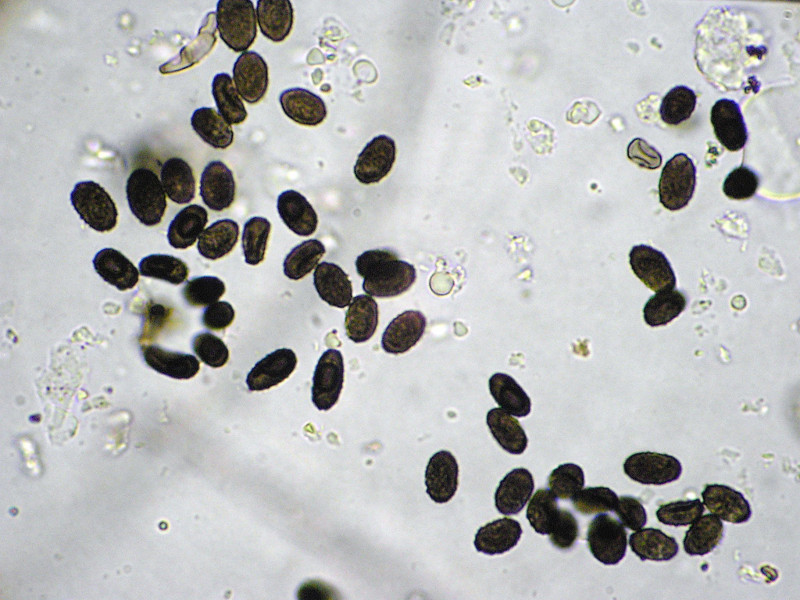
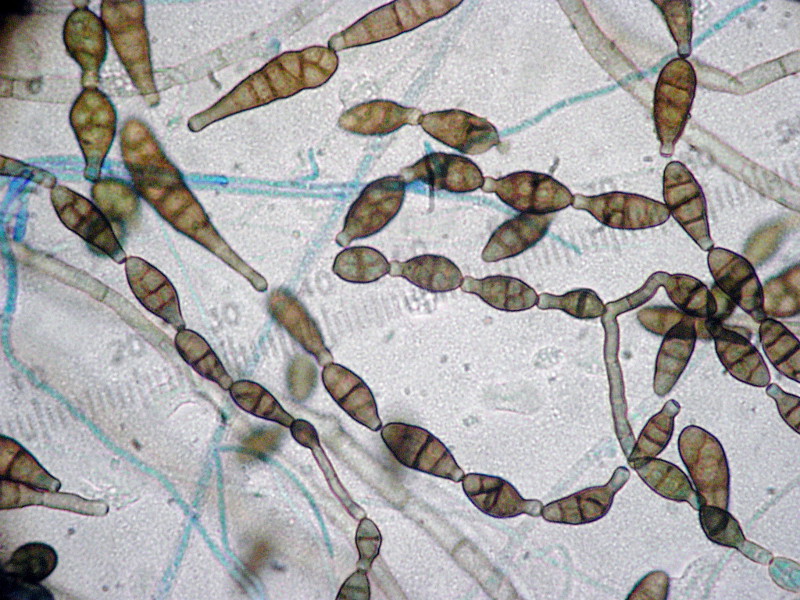
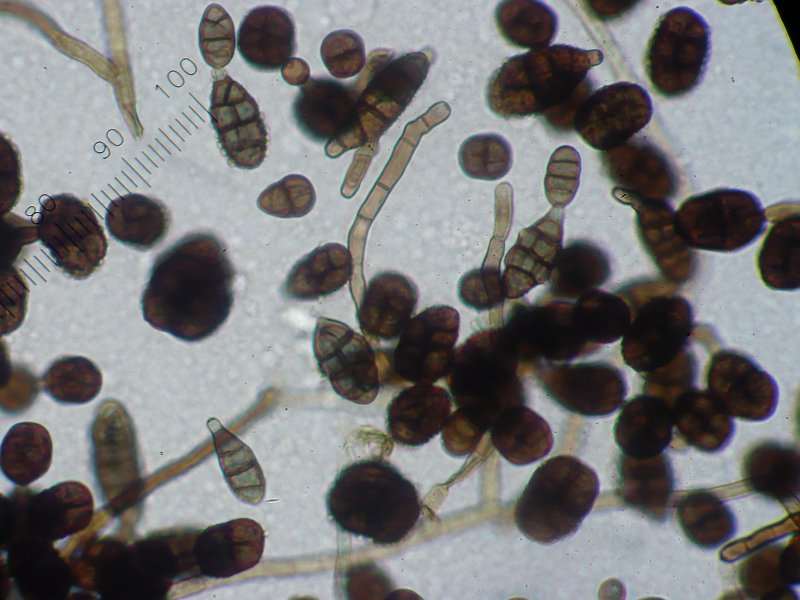
Molds produce spores. When spores are released into the air and land in an area where conditions are favorable they start new mold growth. And that’s how mold gets into your home – it simply floats in through open windows or doors. Winds push huge quantities of spores from outdoors to indoors. We also carry spores from outdoors on our clothes and shoes.
Spores are constantly brought into your home, but even when they are, they need conditions to be right before they’ll germinate and start new growth. You can prevent mold growth in your home by making sure it doesn’t have the conditions it needs. This is a much healthier and less expensive option than removing mold that’s already had a chance to grow.
Mold is a common allergen, probably even more common than allergies to pollen. If you live in a colder climate, you’ll most likely see an increase in your allergy symptoms in spring through to fall when spore concentrations in the air are highest. That’s because mold needs moisture and warmth in order to thrive.
If you or someone in your family is experiencing symptoms that may be mold-related, your doctor may perform a simple allergy scratch test to let you know for sure if you are sensitive to mold.


Latest posts by Jackson Kung'u (see all)
- Symptoms of mold exposure - September 4, 2015
- Mildew and Moisture in Homes - September 3, 2015
- Mould Removal - September 2, 2015